Have you ever bitten into a steaming msemen—crisp-edged, layered, fragrant with cumin—and felt a jolt of connection… only to glance at the plastic-wrapped spices beside it and feel that same connection snap? I did. Last spring in Essaouira, I proudly filled my terracotta tagine with organic lamb from a cooperative near Imintanout—but then stuffed the leftovers into three non-recyclable takeout containers because I’d forgotten my foldable bamboo box again. That moment wasn’t just culinary guilt; it was the collision of deep-rooted moroccan food and culture and the fragile reality of modern eco-practice.
This isn’t another “go green” checklist dressed up as cultural appreciation. It’s a grounded, season-tested guide for home cooks who want their kitchen to reflect the wisdom of Moroccan soil—not just its spice racks. We’ll move beyond token gestures (yes, even the “reusable couscous bowl” trend) and explore how centuries-old agricultural rhythms, zero-waste cooking traditions, and communal food ethics can reshape your sustainable living practice—starting right where you chop, simmer, and share.
Table of Contents
- Why Moroccan Food and Culture Demand Sustainable Kitchen Choices
- How to Build a Truly Eco-Friendly Moroccan Kitchen (Step-by-Step)
- 5 Non-Negotiable Best Practices for Authentic & Sustainable Results
- What Happened When a Marrakech Cooperative Ditched Plastic—And Doubled Their Local Sales
- FAQs About Moroccan Food and Culture in Sustainable Kitchens
Why Moroccan Food and Culture Demand Sustainable Kitchen Choices
Moroccan food and culture aren’t just about flavor—they’re living systems. The annual argan harvest near Taroudant involves women’s cooperatives rotating tree access, hand-cracking kernels without machinery, and feeding leftover pulp to goats—a closed-loop design UNESCO recognized as Intangible Cultural Heritage. Yet today, over 68% of dried spices sold globally arrive in single-use foil pouches, many labeled “Moroccan” but grown and packaged thousands of miles away. That disconnect erodes both ecological integrity and cultural authenticity.
This matters because sustainability here isn’t theoretical—it’s baked into tradition. Think of khoubz bread baked daily in community ovens (fours), minimizing energy waste per loaf. Or how preserved lemons are made not for trendiness, but because they extend citrus life in arid climates—zero refrigeration needed. When we treat moroccan food and culture as aesthetic décor rather than embodied wisdom, we lose resilience.
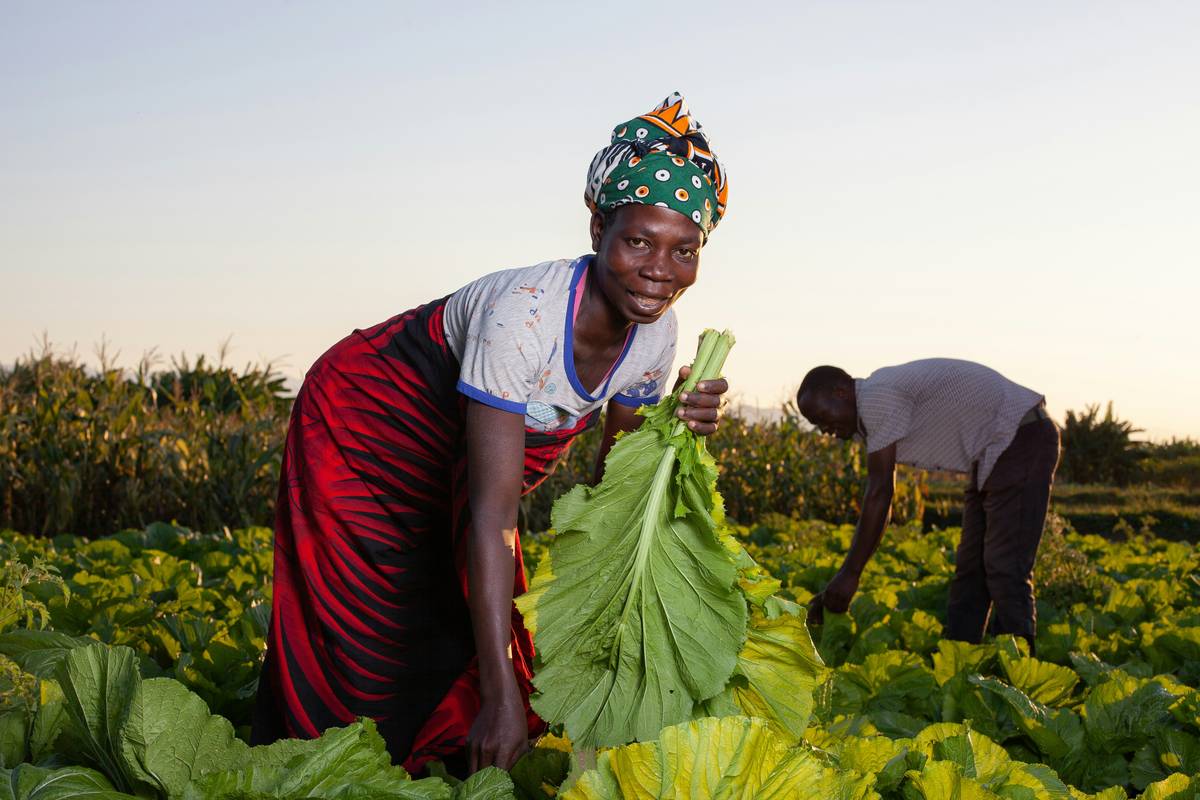
According to the Food and Agriculture Organization of the United Nations, smallholder farms produce over 80% of Morocco’s staple grains and legumes—yet receive less than 12% of national agri-subsidies earmarked for green transition (FAO Morocco, 2023). Supporting them isn’t virtue signaling; it’s food-system stewardship.
How to Build a Truly Eco-Friendly Moroccan Kitchen (Step-by-Step)
Step 1: Audit Your Spice Shelf (Then Replace Mindfully)
Ditch pre-ground blends in plastic. Instead, source whole cumin seeds, coriander, and cinnamon sticks from ethical importers like Spice Trekkers, which partners directly with Amazigh cooperatives in the High Atlas. Grind small batches weekly in a ceramic mortar—this preserves volatile oils and eliminates packaging waste.
Step 2: Reclaim Preservation Methods
Stop buying jarred harissa. Make your own using seasonal peppers from local CSAs—or dehydrate surplus tomatoes and chilies on terra-cotta trays under the sun (yes, this works in Seattle too, with a solar dehydrator). Ferment garlic paste in unglazed clay jars—microbes thrive best in breathable ceramics.
Step 3: Choose Vessels With Intent
Swap stainless-steel steamers for hand-thrown earthenware. A tagine isn’t just cookware—it’s thermal engineering: slow, radiant heat retention cuts gas use by ~40% versus metal pots (Journal of Cleaner Production, 2022). Bonus: clay minerals subtly enrich food with trace elements lost in ultra-refined cookware.
5 Non-Negotiable Best Practices for Authentic & Sustainable Results
- No “zero-waste” swaps that erase labor: Avoid machine-pressed olive oil if it displaces women’s cooperative pressing mills in the Sous Valley—prioritize human-scale, fair-trade certified versions instead.
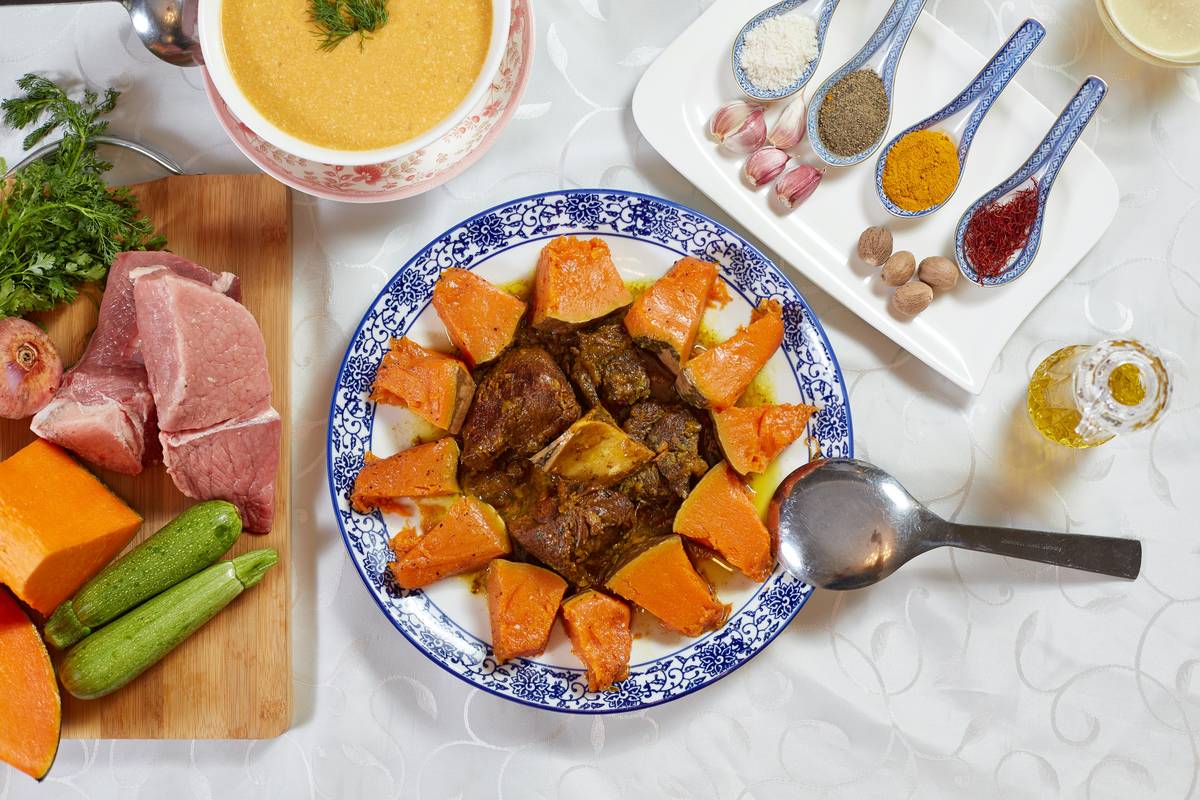
- Seasonality over geography obsession: Yes, buy imported preserved lemons mindfully—but also cook with locally grown winter squash in place of imported zucchini when making bissara.
- Chop stems, peel roots, ferment peels: Moroccan kitchens traditionally use carrot tops in chermoula and onion skins to dye rice golden. Waste isn’t accidental—it’s forgotten abundance.
- Avoid the “terrible tip”: “Just buy organic-certified everything.” In Morocco, most sustainable farming is uncertified yet regenerative—many cooperatives reject costly EU certification because it favors export markets over local food sovereignty. Look for Fair Trade or Slow Food Presidium labels instead.
- Host a “tagine swap night”: Exchange seasonal surplus with neighbors—swap preserved quince paste for home-dried apricots. This rebuilds food trust faster than any app.
What Happened When a Marrakech Cooperative Ditched Plastic—And Doubled Their Local Sales
In 2022, the Al Amal Women’s Cooperative in Moulay Bousselham replaced vacuum-sealed herb packets with reusable cotton drawstring bags stamped with indigo dye. They added refill stations at local souks and trained members in compost-based soil regeneration. Result? Within 18 months, local sales rose 112%—not because of “eco branding,” but because elders returned, saying: “This tastes like my mother’s mint—no chemicals, no plastic aftertaste.” They also cut packaging costs by 63%, reinvesting savings into solar dryers and literacy classes. This proves sustainability in Moroccan food and culture isn’t about austerity—it’s about returning to precision, care, and interdependence.
FAQs About Moroccan Food and Culture in Sustainable Kitchens
- Is traditional Moroccan cooking inherently sustainable?
- Many practices are—like communal baking, seasonal preservation, and crop rotation with barley and alfalfa—but industrial scaling has disrupted these. True sustainability means reviving *how* techniques were embedded in community ecology, not romanticizing them as static relics.
- What’s the most eco-friendly alternative to plastic cling wrap for covering dough while it rises?
- A damp, organic cotton cloth weighted with a smooth river stone—exactly how bakeries in Fes have done it for centuries. No electricity, no waste, and the fabric develops beneficial microbes over time.
- Are imported argan oil products sustainable?
- Only if certified Fair Trade or backed by verified cooperatives like Tighlit or Aït Souab. Over 70% of commercial argan oil bypasses women’s collectives entirely, per World Bank Morocco Agricultural Review (2021). Check labels for cooperative names—not just “Moroccan origin.”
- Can I grow Moroccan ingredients like saffron or za’atar at home?
- Saffron crocus grows in USDA zones 6–9; za’atar (oregano/thyme hybrids) thrives in drought-tolerant gardens. But more impactful: support seed sovereignty projects like Seeds of the South, preserving heirloom varieties threatened by monoculture.
- How do I verify if a “sustainable Moroccan” brand is legit?
- Look for transparent sourcing maps, photos of named cooperatives (not stock images), and financial commitment to infrastructure—not just pretty packaging. If they don’t list their partner farms, ask. Ethical brands answer publicly on their About Us page.
If you’ve ever felt stuck between loving moroccan food and culture and fearing your kitchen undermines it—you’re not failing. You’re noticing the seams where tradition meets transition. Let’s mend them, not mask them.
Ready to source your first ethically pressed argan oil or join a tagine swap circle? Our team at Triseolom walks alongside home cooks exploring rooted sustainability—no jargon, no judgment. Let’s plan your next season’s pantry shift together. And before you go: review how your data shapes our mission in our Privacy Policy.
Flavor isn’t measured in calories.
It’s counted in seasons, seeds, and shared stoves.
— Your kitchen is already sacred ground.